Learnings from Product-Channel Fit
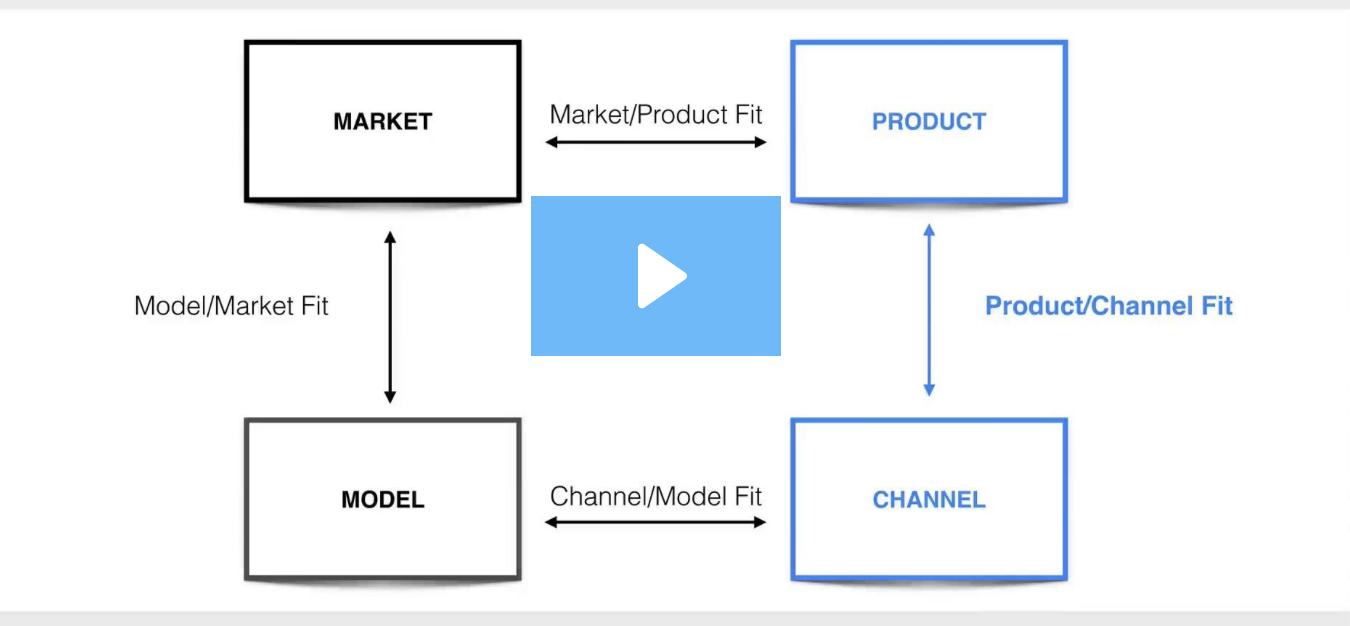
Image credit Brian Balfour
Channel fit is one of those things founders don't think about until the data forces them to. I spent the last few months helping an early-stage founder get their marketing dialed in. No one owned it internally, and with commercial traction picking up, it was a key focus.
Three months in, we pulled the engagement data — not just who was following, but who was actually showing up. That gap was the most useful thing we found all quarter: people in retail and fashion were engaging at almost five times their share of the overall audience. The content wasn't just reaching people. It was reaching the right people, and they were paying attention.
If I'm advising any founder in a similar spot, that's the headline. Outreach gets you in front of someone once. Content, done consistently and honestly, gets you in front of someone again and again — without asking them for anything — until they're the one showing up in your inbox.
For this client, that meant retail professionals, the exact audience (their ICP), becoming disproportionately represented in who was actually engaging.
Here are some of the insights that came out of this sprint that you might want to think about:
Your voice and your company's voice aren't the same channel.
The founder’s personal posts — the ones where she was actually working through something out loud, not promoting anything — beat anything more polished or branded, by a wide margin. The company page earned attention for a completely different reason: it was useful. Invitations, recaps, real examples of the problem the company solves and retail audits. Founders tend to run the same playbook on both. This quarter made it pretty clear that's the wrong move — one channel builds trust through personality, the other builds it through utility.
Small and steady beats big and occasional.
The clearest lesson on the secondary channel wasn't about doing more — it was about not stopping. The one stretch where a certain content format dropped to zero was also the stretch where overall reach dropped the hardest. It didn't take much to keep the channel healthy. It just couldn't go dark.
A quiet senior audience isn't a "no."
Senior titles were overrepresented among followers but underrepresented among people actually engaging. That's not the content failing — it's a sign that audience needs a more direct ask before they'll raise a hand publicly. Founders read that silence as disinterest all the time. Usually it's just a different bar for engaging in public.
What I'd tell any founder running lean marketing
You don't need more channels. You need to stop running one playbook across all of them. Figure out which channel is selling trust and which is selling proof. Post to your secondary channel often enough that it never goes dark. Look honestly at who's engaging versus who's just watching. Put a tracking link on everything.
None of that costs more budget. It just means treating a quarter of real data as more useful than a quarter of gut feel — which, if you're a founder, is probably the harder habit to build than any tactic on this list.